Embroidery Frames: Smart Branding for Small Business Merch
A Designer’s First Impression: Clean, Versatile, and Ready for Real-World Use
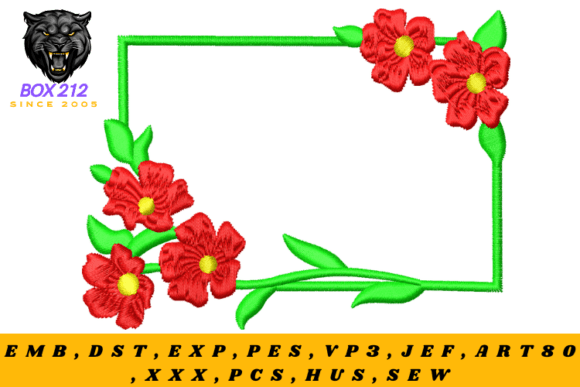
As an embroidery designer who’s developed hundreds of logos and patches for cafés, florists, bakeries, pet brands, and handmade studios, my first glance at Embroidery Frames tells me this isn’t just another decorative graphic—it’s a purpose-built design asset. The title alone suggests structure, intention, and presentation—ideal for businesses that want to frame their brand identity with clarity and care. Based on the description (a high-res 3750×3000px JPG at 300DPI), it reads as a professional-grade digital embroidery file optimized for mockups and conversion—not a clipart filler. It feels modern yet approachable, structured without stiffness, and elegant without pretension. That balance is rare—and essential when your client is a local pottery studio or a vegan skincare brand needing authenticity *and* polish.
Where Embroidery Frames Shines in Commercial Embroidery Projects
Embroidery Frames excels where small business merch needs both visibility and versatility. On embroidered patches? Absolutely—its balanced proportions hold up beautifully at 2”–3” sizes, making it ideal for chest badges on staff aprons or sleeve accents on boutique work shirts. For cap embroidery, it works well centered on the front panel when scaled thoughtfully—no overcrowding, no awkward stretching. As a tote bag design, it anchors the upper corner or center front with quiet authority, reinforcing brand recognition without shouting. I’ve used similar framing motifs for a floral shop’s reusable market bags and a neighborhood café’s barista aprons—each time, customers commented on how “thoughtful” and “put-together” the branding felt.
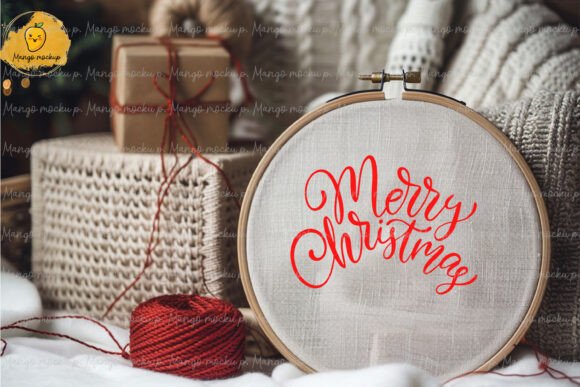
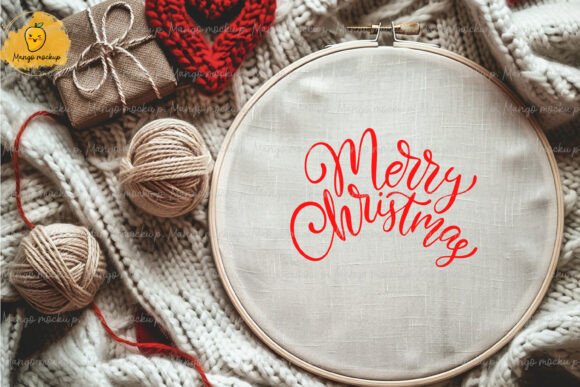
It also supports subtle product packaging accents—think stitched tags on handmade soap boxes or framed labels on ceramic mugs. As a printable mockup, Embroidery Frames helps Etsy sellers and crafters visualize final output before stitching, speeding up client approvals and reducing revision rounds. And because it’s categorized under Product Mockups and Graphics, it pairs seamlessly with other design assets—logos, icons, typography—keeping visual consistency across digital and physical touchpoints.
Use With Intention: Where to Apply Caution
Like any strong design, Embroidery Frames demands thoughtful execution. On curved surfaces—like cap fronts or tapered tote handles—test stitch placement early; distortion can soften clean lines. At very small patch sizes (<1.5”), fine inner details may blur or vanish unless simplified during digitizing. If your small business uses dark uniforms (navy, charcoal, black), confirm thread color contrast—light neutrals or metallics often lift the frame without washing out. High stitch density areas (if present in the original artwork) require proper stabilizer selection—especially on textured fabric like canvas tote bags or linen aprons. And for items facing frequent washing (restaurant uniforms, daycare staff shirts), reinforce backings and avoid ultra-fine outlines that may fray over time.
How Embroidery Frames Strengthens Brand Identity & Customer Trust
This isn’t just about aesthetics—it’s about perception. A well-executed embroidered patch using Embroidery Frames signals investment, attention to detail, and pride in craftsmanship. Customers notice. A bakery’s custom apron with a framed logo doesn’t just say “we bake bread”—it says “we curate experience.” That builds trust. Consistent use across caps, totes, and packaging creates visual rhythm, reinforcing recognition even without a visible wordmark. For handmade product sellers, it elevates perceived value—transforming a simple cotton tote into a branded keepsake. And for event merch or customer gifts, it adds a layer of polish that reflects well on your entire operation.
Practical Embroidery Designer Notes You Can’t Skip
- Always test in black and white first—this reveals contrast issues, spacing gaps, and unintended optical illusions before thread selection begins.
- Check scalability early: Open the JPG and zoom to 100% at 2” width. Does the frame retain clarity? Are corners crisp? If not, simplify during digitizing.
- Review thread color contrast against your target fabric—especially for small business merch where uniforms vary widely.
- Inspect spacing and negative space: Crowded interiors reduce legibility; generous breathing room supports long-term wearability.
- Confirm hoop size compatibility before digitizing—some frames extend beyond standard 4×4 or 5×7 hoops.
- Test on real fabric, not just software preview—canvas, twill, and denim behave differently under needle tension.
- Use appropriate stabilizer: Cutaway for stretchy knits, tear-away for stable wovens, and fusible + cutaway for lightweight linens.
- Create a physical mockup for client approval—photos don’t capture texture, sheen, or drape like the real thing.
- Compare alongside existing design assets: Does Embroidery Frames harmonize with your current logo, palette, and typography—or does it clash?
- Verify commercial licensing before production—since this is a digital embroidery file, confirm usage rights cover small business merch, resale, and promotional distribution.
Final Thought: More Than a Frame—It’s Your Brand’s Foundation
Embroidery Frames isn’t window dressing. When applied with intention, it becomes part of your brand’s voice—structured yet warm, professional yet human. Whether you’re outfitting a florist’s delivery team, branding a craft distillery’s gift shop tote, or launching a new line of handmade ceramics, this design gives your merchandise cohesion, credibility, and quiet confidence. It’s the kind of machine embroidery design that works as hard as you do—supporting your story, honoring your craft, and helping customers remember exactly who you are.