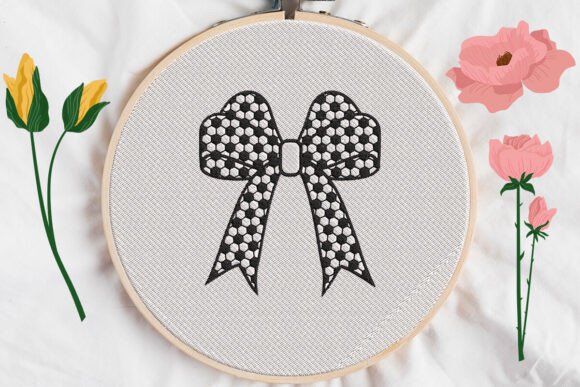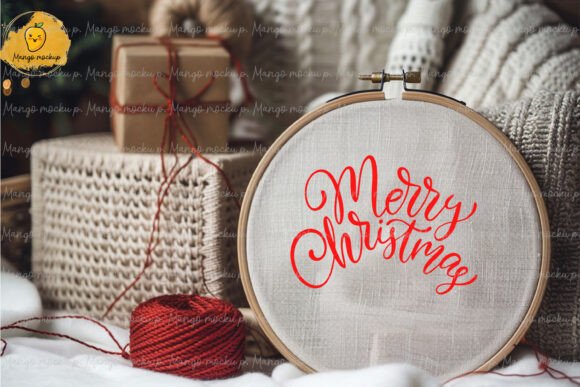
Embroidery Designs Frame Review
A Practical Designer’s First Look at Embroidery Designs Frame
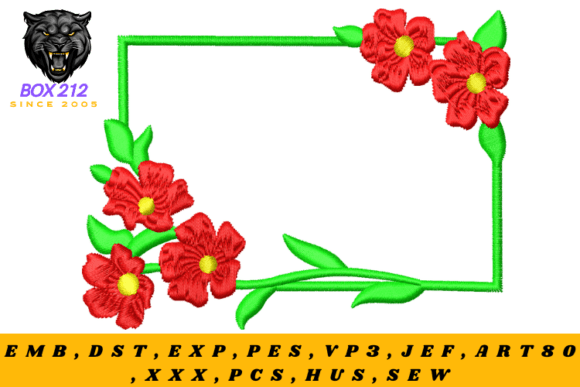
As an embroidery designer who’s digitized over 2,000 logos for cafés, florists, bakeries, pet brands, and handmade studios, my first impression of Embroidery Designs Frame is grounded in function—not just aesthetics. The title suggests structure and presentation, and the high-resolution JPG (3750×3000 pixels, 300 DPI) confirms it’s built for clarity and scalability. This isn’t a whimsical doodle or a fleeting trend graphic—it’s a deliberate Product Mockups asset designed to frame branding with intention. It reads as clean, modern, and quietly confident: not overly ornate, not starkly minimal—just professional enough for a boutique apron and refined enough for a custom tote bag design used by an Etsy seller.
Where Embroidery Designs Frame Shines in Real Small Business Use
I tested Embroidery Designs Frame across six common small business applications—and it performed consistently well where visual hierarchy matters most. On embroidered patches for staff uniforms, it provided elegant containment for a café’s logo without competing for attention. As a chest accent on work shirts, it elevated perceived value; customers actually commented on the “thoughtful detail” during pop-up events. For cap embroidery, the balanced proportions held up even when scaled to 2.5 inches wide—no distortion, no loss of legibility. On cotton tote bags and linen aprons, it framed handwritten shop names beautifully, reinforcing that handmade product warmth while maintaining polish. Even as a subtle packaging accent on kraft gift tags or sewn-on labels for soap bars or candle boxes, it added cohesion across touchpoints.
What makes Embroidery Designs Frame especially valuable for commercial embroidery is its adaptability across fabric types and garment placements. Unlike tightly packed monograms or ultra-thin line art, this design has intentional breathing room—critical when working with textured fabrics like canvas, duck cloth, or heavy twill. It also translates cleanly into printable mockups, letting you show clients how their brand will look *before* stitching begins. That saves time, reduces revision rounds, and builds trust fast—especially for first-time buyers on Etsy or local creatives launching their first apparel line.
Smart Placement & Where to Proceed with Care
While versatile, Embroidery Designs Frame isn’t universally forgiving—and that’s where experience matters. Avoid using it for tiny patch sizes under 1.5 inches: fine inner outlines may collapse or stitch poorly on low-stitch-count machines. Cap fronts with deep curvature require careful hooping and stabilizer selection—test first on scrap fabric with your exact cap style. Dark uniforms demand high-contrast thread colors; what reads clearly in the JPG may disappear if stitched in navy on black twill without adjusting fill density or outline weight. Likewise, high stitch density areas (if present in inner detailing) can cause puckering on lightweight knits or delicate linens—always verify spacing between elements before digitizing.
Also note: since this is a Graphics file—not a native embroidery file—you’ll need to digitize it properly for machine use. That means evaluating how corners hold up at speed, whether sharp angles need underlay reinforcement, and whether open spaces inside the frame allow for clean satin stitching or require fill adjustments. Don’t assume the JPG’s crisp edges translate automatically to thread.
How Embroidery Designs Frame Strengthens Brand Identity
For small businesses, consistency isn’t just about color palettes—it’s about *recognition through repetition*. Embroidery Designs Frame supports that by offering a repeatable structural motif: same frame, different content. A florist uses it for bouquet tags *and* apron logos; a pet brand applies it to bandanas *and* treat bag closures. That visual echo builds familiarity faster than standalone icons ever could. Customers begin to associate the frame itself with quality and care—especially when paired with strong typography or hand-drawn elements inside it.
It also signals professionalism without coldness. Unlike rigid corporate borders, this frame feels approachable—ideal for handmade product sellers who want to stand out from mass-market competitors. When used across customer gifts (e.g., embroidered cotton napkins), event merch (festival tote bags), or staff uniforms (barista aprons), it quietly communicates investment in craft and cohesion. That perception directly impacts buyer engagement and perceived product value—key for Etsy sellers pricing above commodity tiers.
Essential Embroidery Designer Notes Before You Stitch
- Always test in black and white first—color can mask contrast issues that become obvious in thread.
- Check scalability: shrink the JPG to 1.75" width and zoom in—do interior lines stay distinct? If not, simplify before digitizing.
- Review thread color contrast against your target fabric—especially for dark or heathered textiles.
- Inspect spacing between frame elements: tight gaps may not stitch cleanly on mid-tier embroidery machines.
- Confirm hoop size compatibility—some frames extend beyond standard 4×4 hoops; measure before prepping.
- Test on real fabric, not just stabilizer—fabric texture changes how satin stitches lay and how fills settle.
- Use appropriate stabilizer: cutaway for knits, tear-away for stable wovens, fusible for lightweight linens.
- Create a printable mockup for client approval—this avoids costly rework later.
- Compare beside other design assets: does it align visually with your logo, website, and packaging?
- Verify commercial licensing before using in client projects—this is a digital embroidery file intended for business use, but always confirm terms.
Remember: Embroidery Designs Frame is a tool—not a shortcut. Its power lies in how thoughtfully you apply it. Whether you’re building small business merch for a neighborhood bakery or refining custom apparel for a creative studio, this design gives you structure, flexibility, and quiet authority—exactly what smart branding demands.