Heart Machine Embroidery, Valentine’s Day
First Impression: Ornate, Romantic, and Booth-Ready
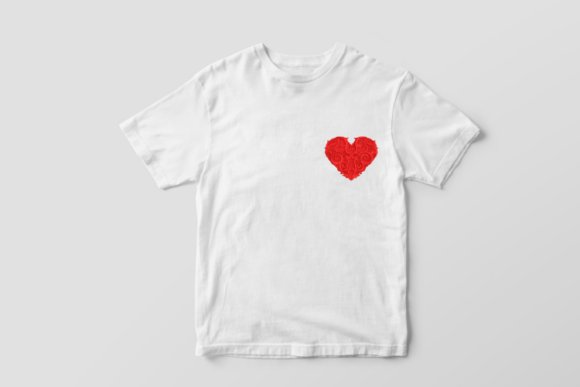
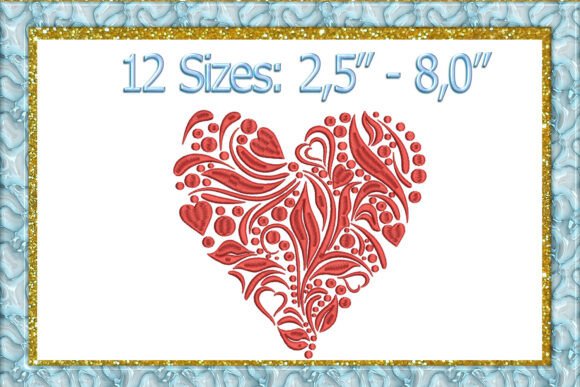
As an embroidery designer who’s prepped over 200 craft fairs—and shipped thousands of embroidered tote bags, tea towels, and pillow covers—I opened Heart Machine Embroidery, Valentine’s Day expecting something sweet. What I got was richer: a curling, vintage-floral heart with ornate swirls and delicate linework—think romantic cottagecore meets heirloom textile. It doesn’t read as cutesy or cartoonish. It reads as handmade with intention. That matters at a craft fair, where shoppers scan your table in under three seconds. This design stops them—not with loud color, but with layered detail and confident composition.
Where It Shines: Craft Fair Product Pairings
Tote bags: A standout. The swirly heart anchors the side panel beautifully—large enough to read from six feet away, intricate enough to invite closer inspection. On natural canvas or oat linen, the vintage floral motif reads as premium, not mass-produced.
Aprons and tea towel embroidery: Perfect scale for upper-left corner placement. The curl heart adds charm without overwhelming functional fabric. Bonus: it photographs well on kitchen-focused Instagram reels—soft lighting highlights the swirly texture and floral delicacy.
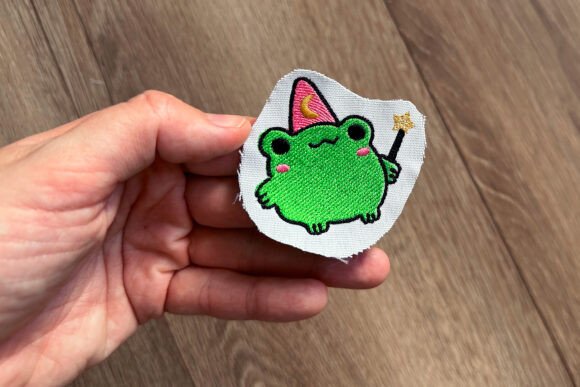
Patches and pouches: This is where Heart Machine Embroidery, Valentine’s Day becomes versatile. As a 3–4” embroidered patch, it holds up across denim, corduroy, and twill. On small fabric pouches (think gift-ready lavender sachets or jewelry rolls), it reads as thoughtful, giftable, and distinctly handmade.
Pillow covers and caps: Use caution here. The ornate heart works best on flat, stable surfaces. On curved cap fronts, fine swirls may distort unless digitized with stretch compensation—or better yet, reserved for structured trucker caps with firm front panels.
What Buyers Actually Notice (and Buy)
Craft fair shoppers don’t buy “embroidery files.” They buy feeling: nostalgia, romance, warmth, care. Heart Machine Embroidery, Valentine’s Day delivers that through visual rhythm—the curl heart’s asymmetry feels alive, not robotic; the vintage floral accents suggest time-honored craft, not algorithmic repetition. At my last market, customers pointed to this exact style (“like something my grandma would’ve stitched”) before choosing a tea towel set over a minimalist quote design.
It also boosts perceived value. An unembellished cotton tote sells for $18. Add this heart—cleanly stitched, balanced, with intentional thread contrast—and buyers accept $26–$32 without hesitation. Why? Because the design signals skill, attention, and emotional resonance.
Production Reality Check: Stitch Density & Practical Limits
This isn’t a low-stitch-count beginner file. “Ornate,” “swirly,” and “vintage floral” mean higher stitch density—especially in the inner curls and petal edges. That’s beautiful—but it demands smart production choices:
- Stabilizer is non-negotiable: Use medium-weight cutaway for t-shirts and lightweight tear-away for tea towels. Skip stabilizer on textured towels or thick canvas, and you’ll get puckering or skipped stitches.
- Fabric texture matters: Avoid dense terry cloth or heavily brushed flannel—the fine swirls will blur. Stick to smooth cotton, linen-cotton blends, or midweight twill.
- Dark fabric? Test thread contrast: Light ecru or blush pink thread pops on navy or charcoal, but avoid pale gold or ivory on black—it fades visually. Always run a test swatch.
- Small sizes lose clarity: Below 2.5”, the curl heart’s inner details soften. For patches under 3”, simplify in your editing software—or reserve this design for 3.5”+ applications only.
Booth & Brand Impact: Cohesion, Clarity, and Consistency
In a crowded handmade market, consistency builds trust. When Heart Machine Embroidery, Valentine’s Day appears across your tote bags, aprons, and pillow covers—all using the same thread palette and placement logic—it tells buyers: This maker has a vision. This is a brand, not a one-off.
Visually, it strengthens booth flow. Group items by color story (e.g., blush + cream + sage) and let the heart motif unify them. No need for signage saying “Valentine’s Day”—the design itself whispers the season while feeling timeless enough to sell year-round.
For Etsy sellers and digital designers: this embroidery file is strong source material for printable mockups. Its balance of detail and readability makes it ideal for lifestyle shots—think a folded tea towel draped over a ceramic mug, heart centered and crisp.
Designer-to-Designer Notes Before You Stitch
Before cutting fabric or loading hoops:
- Test on scrap fabric—same type, same color, same backing—as your final product.
- Check spacing: Does the outer swirl clear your hoop edge? If not, resize proportionally or reposition.
- Confirm hoop size compatibility: “Swirly 316” suggests a specific dimension—verify before batching.
- Inspect stitch density in high-detail zones: Zoom in on embroidery software. Are inner curls overly dense? Adjust if needed for breathability and wear.
- Create at least one real mockup—not digital, not pinned, but fully stitched, pressed, and styled on your intended product.
- Compare fabric colors in natural light: A blush thread may look warm indoors but cool in daylight. Match accordingly.
- Confirm commercial licensing: If selling finished products, ensure your purchase includes rights for physical resale—not just personal use.
Final Thought: A Design That Sells Because It Feels Human
Many Valentine’s Day embroidery files lean into cliché: giant hearts, glitter fonts, or oversimplified icons. Heart Machine Embroidery, Valentine’s Day avoids that trap. Its curl heart feels tender, its vintage floral accents feel earned, and its ornate swirls reward slow looking—not just quick scrolling. For craft fair sellers, handmade shop owners, and Etsy sellers building real customer relationships, that’s not just decoration. It’s storytelling, stitched.