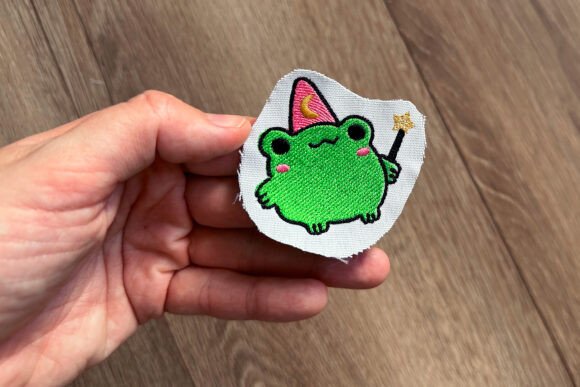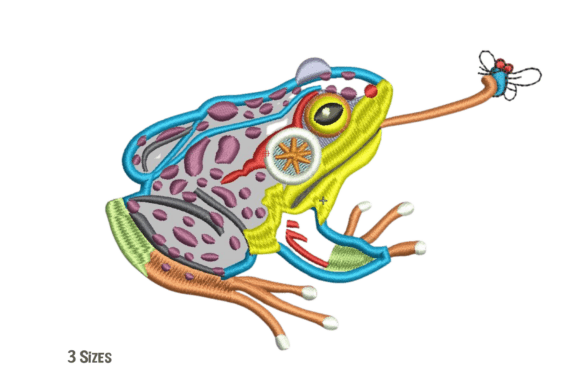
Frog Appliqué Embroidery Design
First Impression: Playful, Vibrant, and Instantly Recognizable
As an embroidery designer who’s curated over 200 craft fair booths in the past decade, my gut reaction to Frog Appliqué Embroidery Design is immediate: it’s a mood-lifter. The title alone signals whimsy—not cartoonish, not overly cutesy, but confidently joyful. “Vibrant and detailed” tells me this isn’t a minimalist silhouette; it’s built for presence. In a crowded market aisle where shoppers scroll with tired eyes and short attention spans, this design stops them. It reads as friendly, nature-inspired, and handmade—without leaning into rustic clichés or forced elegance. It fits right alongside modern botanicals and playful animal motifs, but stands apart in the Reptiles category by feeling warm, not clinical.
Where It Shines: Craft Fair-Ready Product Applications
Frog Appliqué Embroidery Design performs exceptionally well across high-visibility, high-margin craft fair staples:
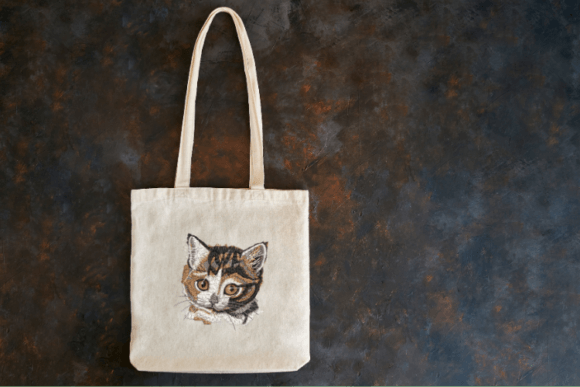
- Tote bag design: Centered on a natural canvas or oat linen tote, it becomes a conversation starter—bold enough at 4–5 inches to read from six feet away, yet balanced enough not to overwhelm.
- Apron embroidery: Placed just above the pocket or centered on the bib, it adds charm without competing with functional details. Customers love aprons that feel personal, not generic—and frogs signal lighthearted craftsmanship.
- Tea towel embroidery: Works beautifully on cotton or linen tea towels, especially when paired with tonal thread (e.g., moss green on ivory). The “playful touch” described translates directly to kitchen warmth and giftable appeal.
- Embroidered patch: This is where Frog Appliqué Embroidery Design truly earns its keep. As a sew-on or iron-on patch, it’s scalable, merchandisable, and perfect for impulse buys—think mini pouches, denim jackets, or kids’ backpacks.
- Pillow cover & small pouch: At 3–4 inches, it retains clarity and character. Unlike intricate florals, frogs hold up in tight curves and corners, making them ideal for rounded pillow seams or gusseted pouches.
It’s less effective on curved cap surfaces unless resized carefully—and avoid placing it near seams or brims where distortion risks muddying the “detailed” elements. For Etsy sellers, this design pairs perfectly with printable mockups: a single high-res photo of the frog on a cream linen pouch sells more than five generic lifestyle shots.
Production Realities: What Makes It Sellable—And What Requires Caution
This isn’t just a pretty machine embroidery design—it’s a practical craft fair product engine. Its strength lies in clarity at a glance: even from across the room, customers register “frog,” “color,” and “handmade quality.” That visual shorthand builds trust before they even reach your table.
But here’s what demands attention before batch production:
- Stitch density: “Detailed” often means tighter fills and layered appliqué edges. Test on scrap fabric first—especially with textured towels or thick canvas. Over-stabilizing can stiffen the hand; under-stabilizing risks puckering.
- Fabric texture matters: On terry cloth or heavy duck fabric, tiny features (like webbed toes or eye highlights) may blur. Reserve the full-detail version for smooth weaves like quilting cotton or twill.
- Dark fabric? Prioritize thread contrast. Frogs pop on light backgrounds—but if you’re stitching on navy or charcoal, verify that the included thread colors include bright lime, sky blue, or white accents for definition.
- Small sizes demand simplification. Below 2.5 inches, delicate elements vanish. Use the design as a focal point—not a border motif—unless you confirm the embroidery file includes a simplified variant.
Booth Impact & Buyer Psychology
In person, Frog Appliqué Embroidery Design boosts booth energy. Place three items together—a frog-embroidered market bag, a matching tea towel, and a set of embroidered patches in a kraft box—and you’ve created a cohesive, shoppable story. Buyers don’t just see a frog; they see a lifestyle: garden parties, weekend markets, thoughtful gifting. It elevates perceived value without requiring premium pricing—it feels special because it’s *intentional*, not mass-produced.
For small shop product branding, it supports consistency: use the same frog across seasonal lines (e.g., add a tiny pumpkin in October, a sprig of holly in December) without redesigning from scratch. And yes—it photographs brilliantly for social media and Etsy listings, especially with natural light and clean backdrops. No filter needed.
Designer Notes You Can’t Skip
Before cutting your first production run:
- Test Frog Appliqué Embroidery Design on scrap fabric that matches your final product—same weight, same weave, same dye lot.
- Check thread contrast against every fabric color you plan to use. Print a swatch sheet.
- Review spacing between elements—appliqué edges need breathing room, especially on curved surfaces like caps or pouches.
- Confirm hoop size compatibility. If your machine uses smaller hoops, verify the design splits cleanly—or request a re-sized version.
- Use cutaway or tear-away stabilizer based on fabric drape—not habit. Linen needs different support than polyester twill.
- Create at least one real mockup—not digital. See how it feels in hand, how light hits the stitches, how it folds or hangs.
- Double-check commercial licensing. Since this is intended for finished product resale, ensure your purchase includes rights for commercial embroidery.
Remember: a great digital embroidery file only becomes a great handmade product through intentional execution. Frog Appliqué Embroidery Design gives you the foundation—the rest is craft, care, and customer connection.